↓ scroll
Haldel
Interactive VR experience
Visit Haldel, a dark and glamorous city where the fight over resources reaches every level of society.
Steam page coming soon"I've seen this before."
Interactive VR experience
Visit Haldel, a dark and glamorous city where the fight over resources reaches every level of society.
Steam page coming soon"I've seen this before."
Services
NSW Health
 VR training
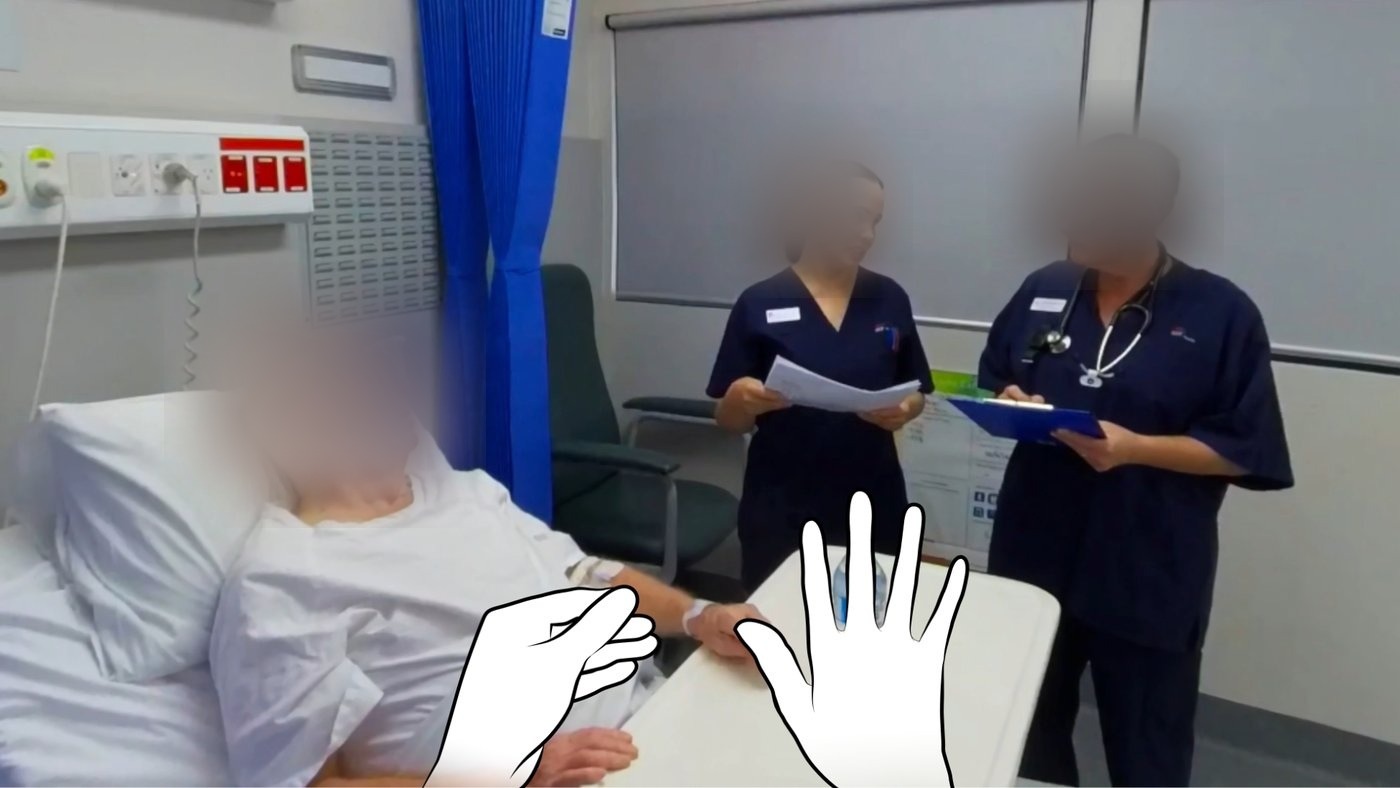
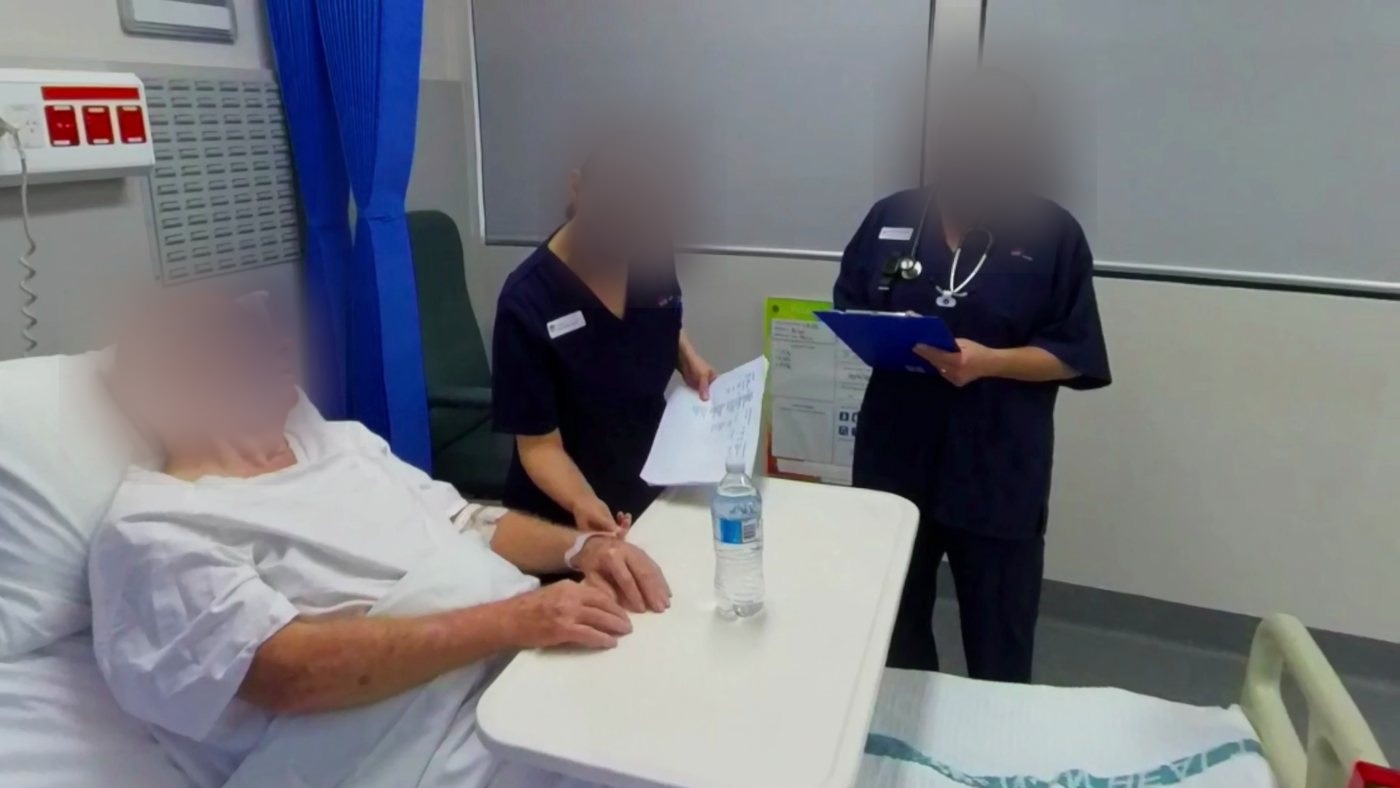
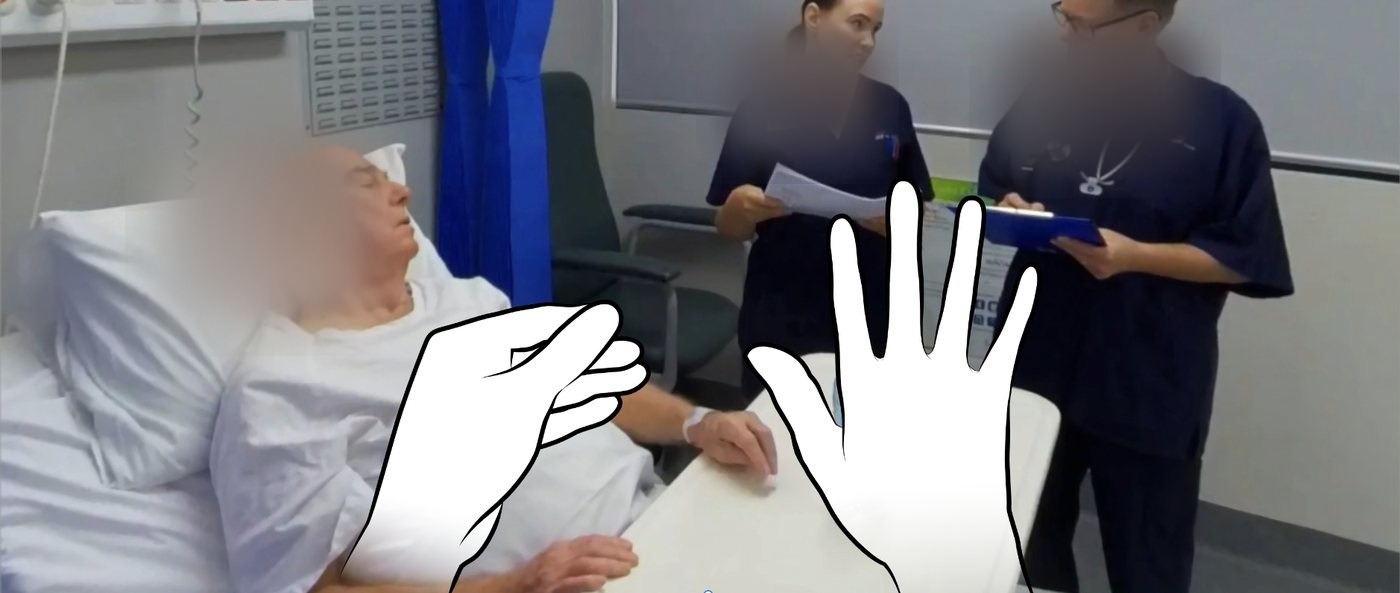
A virtual reality training scenario for NSW Health. You step into a hospital ward as the clinician, with your own hands in the scene, and practise spotting and responding to a patient whose condition is getting worse.
Mekhlopat
 Interactive 3D
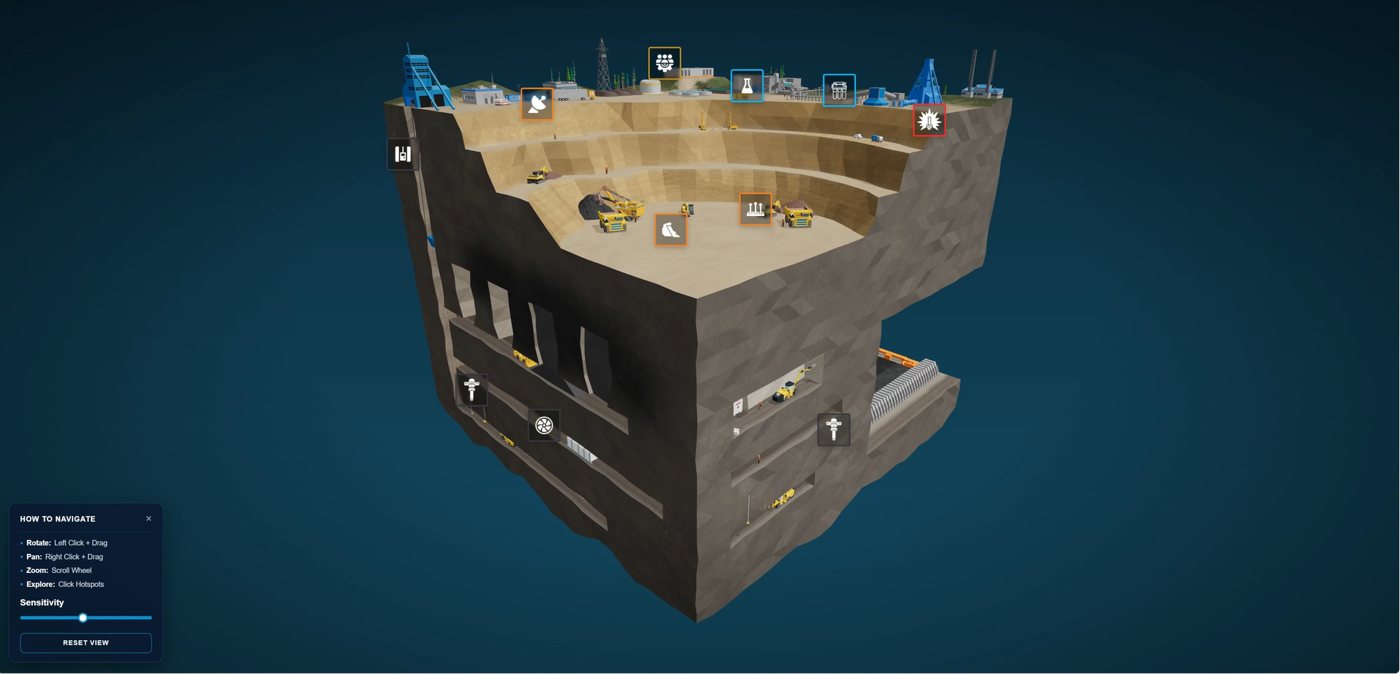
A cutaway of a working mine you can turn, zoom into and explore in the browser. Hotspots across the pit and the tunnels below open up each part of the operation, from the surface plant down to the underground works.
Explore it live →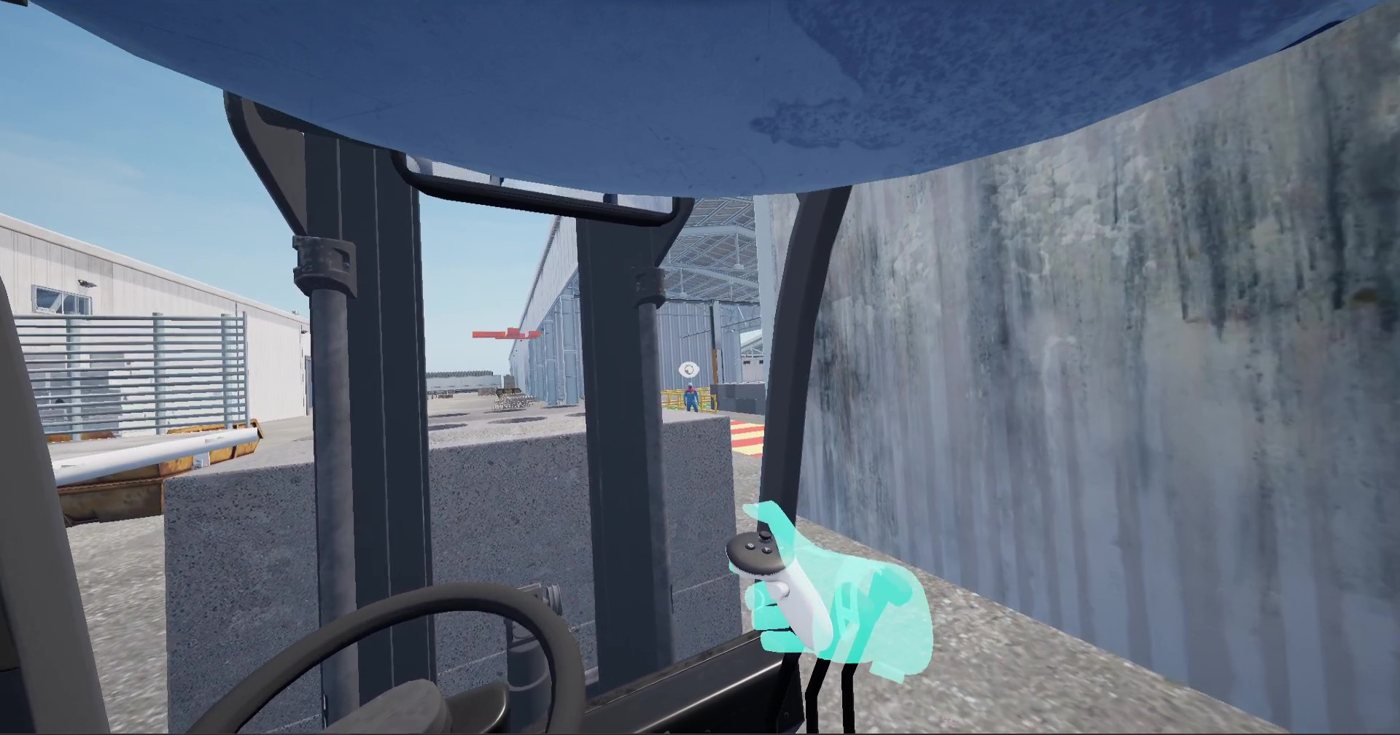
EGA
VR training
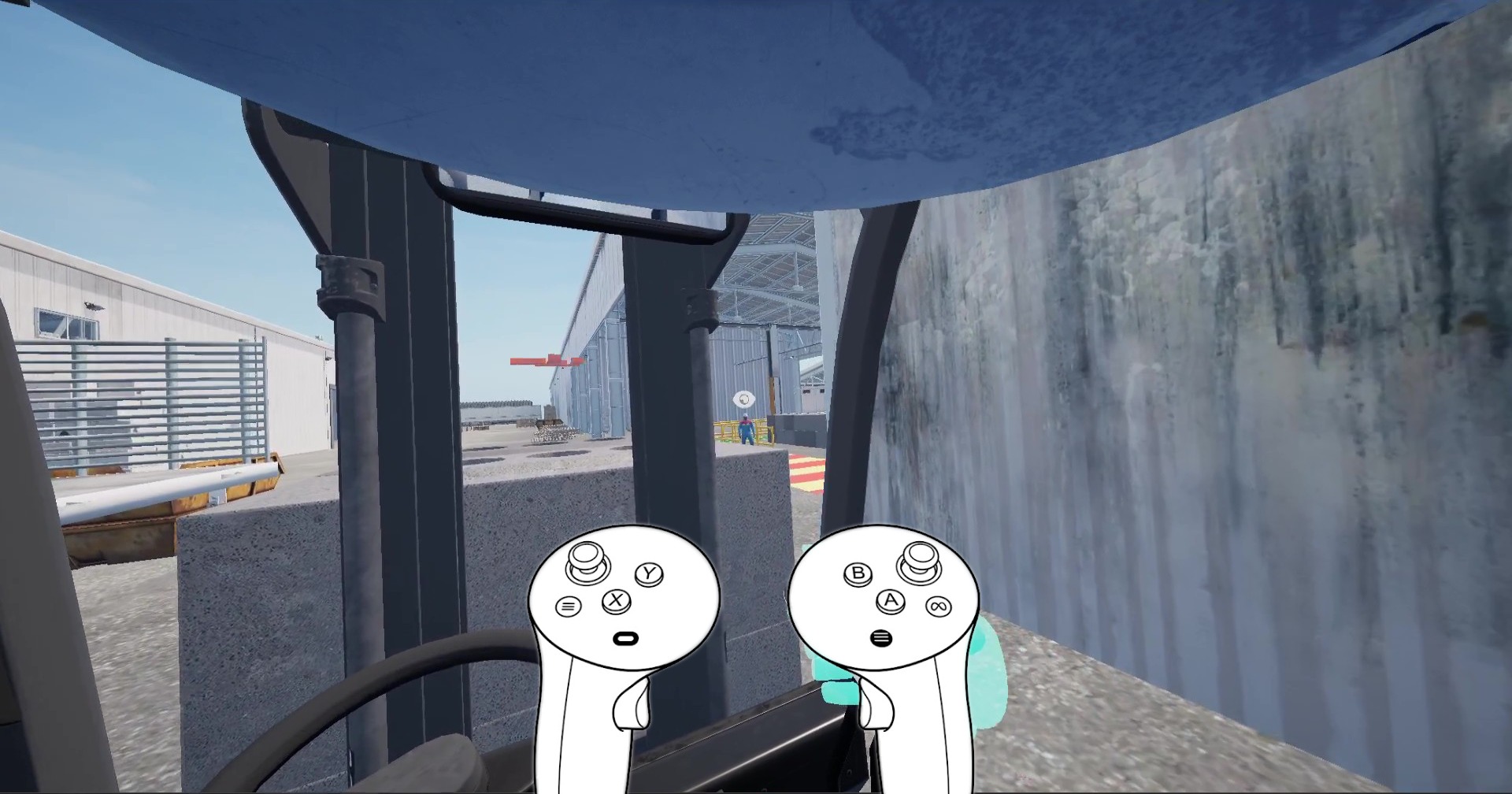
VR training in forklift and pedestrian awareness. Trainees take the driver’s seat in a busy industrial yard and practise watching for people on foot, reading blind spots and moving safely around the site.
Moving Parts Productions
 Web
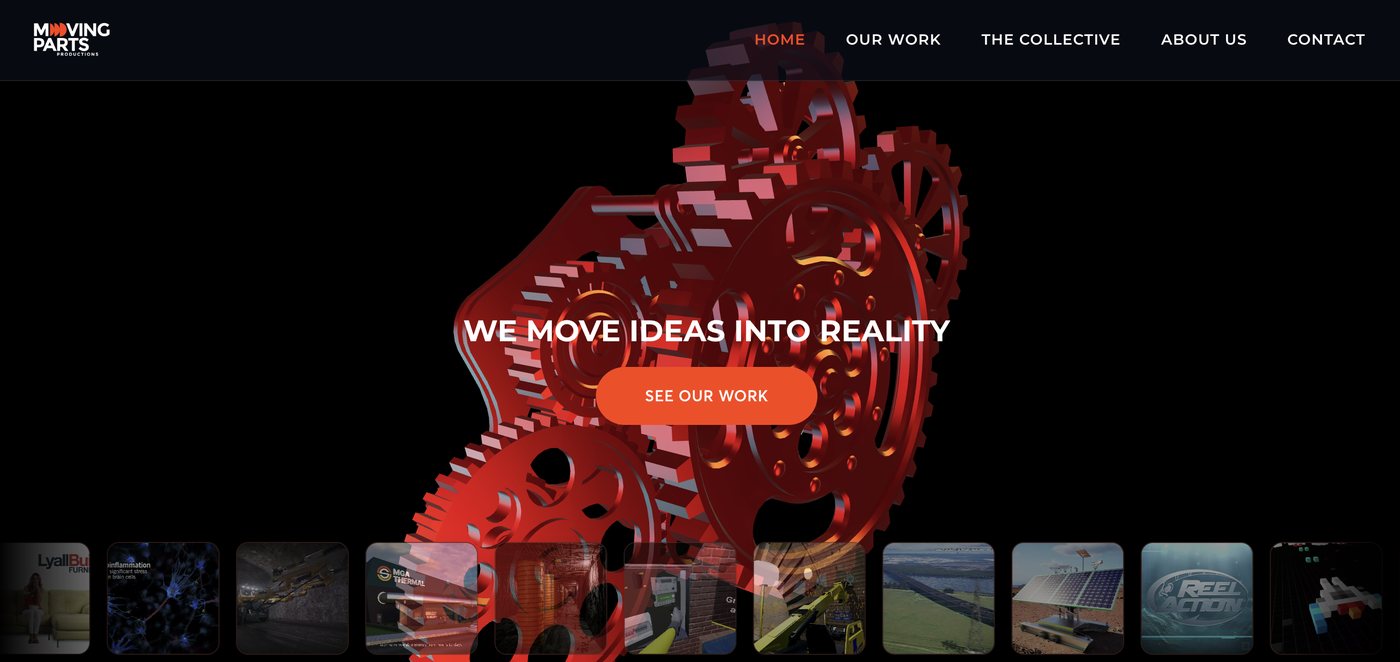
The website for Moving Parts Productions, a production collective. A 3D hero of interlocking gears sets up their line, "We move ideas into reality", and leads into a reel of their work.
Visit the site →Service
Virtual reality
Every time someone puts on a headset for the first time, there should be a moment of wow, a sense of scale and presence nothing else gives. Paired with seamless, intuitive interaction design, that wow turns into real immersion in the task and the learning.
VR lets people experience things too dangerous, expensive, or otherwise impossible to witness in real life. They can familiarise themselves with a scenario before ever arriving on site, understand the consequences of their actions in a safe environment, then reflect and discuss with colleagues afterwards. VR is built to prompt that discussion and reflection, not replace it.
It works remotely too. Multiplayer sessions let people from anywhere in the world jump in together, work as a team, and complete challenges side by side, building real teamwork along the way.
Headsets keep getting smaller and cheaper, light enough to pack up and send almost anywhere, so this kind of training isn’t tied to one room or one country.
None of this is easy to get right. VR is one of the hardest formats to make feel seamless, and I’ve spent the last seven years learning the dos and don’ts of what actually works.
Risk & safety
We run risk assessments for VR use in the workplace and help clients understand motion sickness and other risks before rollout, so sessions are safe as well as effective.
Examples
Service
 Augmented reality
AR is about augmenting reality: placing something digital straight onto the world as you actually see it, through a phone, in a browser, or on wearables. Because it usually just needs a phone, it’s one of the most accessible formats here, no headset required.
It’s one of the best ways to understand scale, fit and placement before anything is built. See what a wind turbine looks like next to your house, or examine a model, part or piece of equipment right where it would actually sit.
These are realtime, interactive tools rather than one-off visualisations, which is one of the biggest shifts happening in the market right now, and like VR, sessions can be multiplayer, so people can explore the same placed object together.
Because it overlays onto the real world rather than replacing it, people stay aware of their surroundings, which makes it well suited to on-site use, in the field, on a factory floor, or anywhere full immersion isn’t practical or safe.
Examples coming soon.
Service
 360 film
360 video captures a real place in every direction at once, so instead of watching a fixed shot, people can look wherever they like, as if they were standing there themselves.
It’s a fast way to document a site, tell a story, or take people somewhere they can’t easily go, a remote location, a live facility, a moment in time. And because it’s real footage, it carries detail and lighting that’s hard to fake in CG.
It plays back on a phone, in a headset, or as a normal web video, so there’s no app to install and nothing stopping it being shared as easily as any other video.
Hotspots and simple branching can be added on top, turning a passive watch into a guided tour or a choose-your-own-path induction.
Examples coming soon.
Service
Interactive 3D
Interactive 3D means a real-time model people can explore themselves, rotate, zoom, step inside, rather than a fixed video or render.
It’s especially good at showing what’s normally hidden or hard to get to: inside a mine, inside a machine, how parts move and fit together, in a cutaway or exploded view.
It runs straight in a browser, no install, no headset required, so it works equally well on a phone, a laptop, or a kiosk on a trade show floor.
Because it’s built on the same kind of real-time engine as VR, it’s often a natural first step before building a full VR or AR experience.
Examples
Service
 Captured 3D
Gaussian splats are a newer way to capture the real world in 3D: instead of building a model by hand, software reconstructs a space or object from photos or video, and the result is strikingly photoreal.
It’s fast. A site or object can be scanned, often with nothing more than a phone, and turned around into something people can move through in a browser in a fraction of the time traditional 3D modelling takes.
That makes it a quick way to bring an actual place or piece of equipment into training or a web experience without modelling it from scratch, and a good way to document something as it really is, before it changes.
Examples coming soon.
Service
Websites
A website doesn’t have to be something people just scroll past. Where it genuinely helps tell the story, I build in real-time 3D and interactive pieces instead of static images and video.
Because it’s built on the same real-time engine as the VR, AR and 3D work, a model or a scan made for training can become the centrepiece of a site too, without rebuilding it from scratch.
It still has to work like a website: fast to load, clear to navigate, and usable on a phone as well as a desktop. Interactive is only worth it when it doesn’t get in the way.
Examples
Why it matters
XR, 3D and the web are the tools. The real work is learning design: working out what someone needs to understand or be able to do, then building an experience that gets them there. Interactive, hands-on, engaging, repeatable and measurable, so it sticks and you can see that it has.
 Your photo here
About
I design and build interactive learning: VR, 3D and immersive experiences that help people understand things by doing them.
I’ve spent the last 8 years in digital storytelling, turning complex, real-world situations into experiences people can step into. When a project needs more hands, I bring in specialists I trust.
Tell me a little about what you’re trying to achieve, and I’ll come back to you about how we could get there.